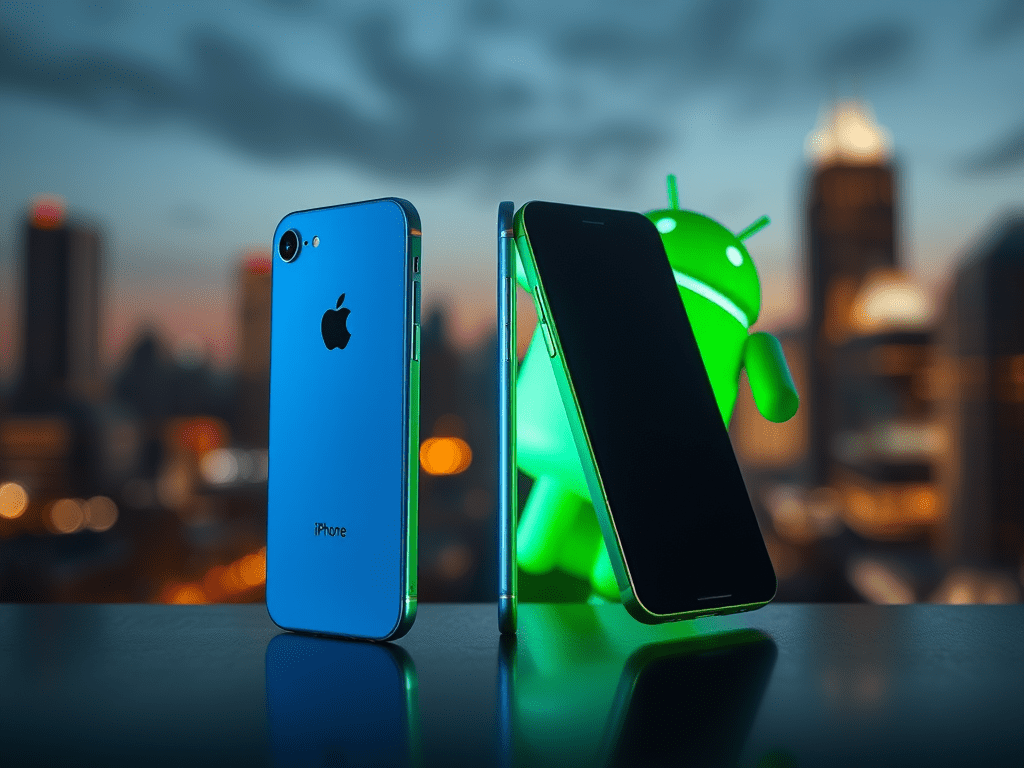
The iPhone vs. Android debate is a long and storied one, dating back to the era of the Blackberry’s reign and the iPod Touch’s transformation into a smartphone. A time when Google’s Nexus devices were just emerging and Android was a fresh-faced operating system, offering a world of mobile choices.
So, Android or iPhone?
In the early days, the iPhone held a significant advantage, particularly when viewed through the lens of accessibility. This wasn’t a matter of personal preference, but rather a practical reality. My own experience in September 2010 solidified this. While I was enamored with the newly released HTC Desire, a Telus representative demonstrated the stark difference in out-of-the-box accessibility between iPhones and Androids. At that time, the iPhone was simply more accessible. It’s important to note that this was my experience, and I later learned about software that could enhance Android accessibility. However, for this narrative, I’ll stick with my lived experience.
Thanks to that Telus representative, I walked out with a shiny iPhone 3Gs. Its accessibility, right out of the box, made it a great device. For years, I remained loyal to the iPhone, upgrading from the 3Gs to the 4, 5, and eventually the 7+. Familiarity and reliable accessibility were key factors. Then came Android 4.4.4 KitKat and the stunning Samsung Galaxy S5.
I took the plunge, with both excitement and trepidation! I traded the “safety” of iMessage and the familiar iPhone display for the green bubble world of Android. I fell in love. Android offered accessibility, customization, and expandable storage. This marked the beginning of my Android journey and my introduction to the Samsung ecosystem.
Android: Strong, Free, and Mine
Loving the freedom of the S5, I upgraded to the Samsung Galaxy Note 5. Sleek, slim, powerful, and boasting an amazing stylus (more of a fidget toy than a functional tool, but I loved it nonetheless). This device introduced me to mobile payments and a new level of accessibility thanks to Samsung’s custom screen reader, Voice Assistant, a perfect blend of TalkBack and VoiceOver.
A Touch of Nostalgia
Then, in 2016, nostalgia struck. The new Blackberry Priv promised the perfect combination of a physical keyboard and a touchscreen in a sleek, sliding design. I was hooked! The screen size, the tactile keyboard, the Android operating system – it was the best of all worlds! Until, disaster struck. A cracked screen revealed the Priv’s greatest vulnerability. The repair cost far exceeded the price of a new iPhone 7+.
Back to the Blue Bubble
I was forced to return to the iPhone. Frankly, the accessibility wasn’t significantly different from the iPhone 5 I’d left behind. I was a little disappointed. The device was slimmer and felt better in hand, but that was about it. The changes felt minimal. A few iMessage gimmicks aside, there wasn’t much to write home about. Or was there? Let’s delve into a bit of psychology.
The Apple Addiction
Around that time, talk of “phone addiction” was rampant. I’ll admit it: I believe there was something about the iPhone that had a hold on me. Whether it was marketing or the device itself, I can’t say. But it was constantly in my hand. I wanted to hold it. It went everywhere with me, even to the bathroom at home. I can’t explain it, but I genuinely believe I was addicted to that phone. This became clear when I returned to Android with the Galaxy Note 9. With the Note 9, I found myself able to put it down and forget about it. I didn’t feel the need to constantly hold it, and I didn’t feel like I was missing out when it was on my desk. Apple, what did you do to our brains? Was it the marketing? The device’s coating? I’ll never know.
My Choice?
Since the Note 9, I’ve cycled through many phones, all Android. The reason is interesting and has become clearer over time. Today, from an accessibility perspective, Android and iOS are essentially on par. Android excels in some areas, while the iPhone still has advantages in others, depending on the user’s specific needs. Personally, I find Android more accessible due to its greater freedom. The variety of devices, screen sizes, form factors, and customized operating systems (built on the base Android system) allows for unparalleled choice. This has enabled Android to become a dominant force in the world of accessibility.
Dare I say it? iPhone and Android are… distant cousins?
 Unapologetically Blind