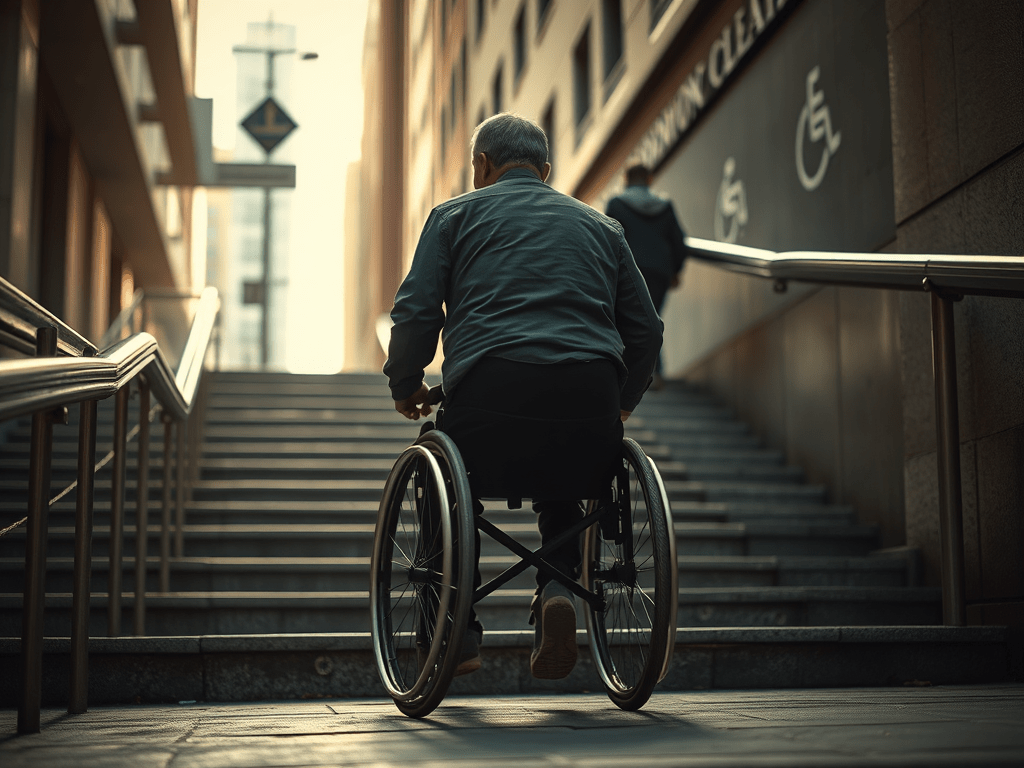
While once it seemed that progress was being made towards acceptance and equality for people with disabilities, recent experiences suggest a troubling reversal. This personal reflection explores this apparent decline, focusing on societal attitudes, education, and employment. These observations are based on my own experiences and may not reflect the experiences of all individuals with disabilities.
Society
Technological advancements, such as AI and visual interpretation software, while promising, haven’t translated into true accessibility for many, particularly those with vision loss. While access to information and some products may have improved, crucial areas like point-of-sale systems, self-checkout kiosks, and food ordering systems often remain inaccessible. Negative encounters with service dogs, including outright refusals of service, persist.
People using mobility devices like wheelchairs and walkers face similar challenges. Accessing buildings and stores is often difficult due to a lack of ramps, automatic doors, and accessible restrooms. Accessible transportation options are becoming increasingly unaffordable and unreliable, with fewer accessible cabs and inconsistent door-to-door transit services. The increasing number of ride-sharing services refusing passengers with service dogs, despite legal protections, further restricts accessibility. Instead of genuine inclusion, society often seems to be pushing people with disabilities further into the shadows, diminishing their autonomy and independence.
Education
The ongoing job action by school support staff in Alberta, including administrative assistants, education assistants, and specialized learning support workers, has a devastating impact on students, especially those with disabilities. These students are being denied access to vital educational support, hindering their learning and development. The lack of urgency from the government and school boards to resolve this strike underscores a disregard for the needs of these vulnerable students. The strike also creates a ripple effect, impacting families’ access to respite care. Many students are not receiving the necessary care, education, and independent living skills development they need to thrive. The long-term consequences of this disruption are deeply concerning .
Employment
My personal journey in the job market highlights the significant barriers faced by people with disabilities. During my university years (2012-2018), I struggled to find any employment, despite numerous applications. Six summers passed without a single interview. While internships with the Government of Saskatchewan in 2018 and 2019 provided valuable experience, the pandemic disrupted my career. After a period of unemployment, I secured a part-time internship with a non-profit, which ended after two years. Despite working with multiple employment agencies, finding stable employment proved incredibly challenging. My resume and skills were solid, yet employers showed little interest. Over three years, I applied for approximately 2,500 jobs and received only three interviews, ultimately landing my current role. This experience raises serious questions about systemic discrimination and the lack of opportunities for qualified individuals with disabilities.
Conclusion
The challenges I’ve described in society, education, and employment raise serious concerns about the true state of disability rights. Are we witnessing a decline in progress, with people with disabilities facing increasing marginalization? Why are human rights legislation and charter rights not being effectively enforced? What concrete steps can be taken to address these issues and ensure genuine equality and inclusion for all? These are urgent questions that demand answers and action.
 Unapologetically Blind