Contrast
Text

Author: Douglas Rudolph

  • Unions: A Double-Edged Sword

    Unions: A Double-Edged Sword

    Let’s be blunt: the topic of unions is divisive. While some may tout their benefits, I firmly believe that strike action, in particular, is a destructive force that inflicts far more harm than good. I will not mince words: strikes impoverish workers, erode their sense of self-worth, and tear at the fabric of our communities. If union leaders wish to challenge my stance, so be it – their defensiveness only reinforces my point. Does this mean I’m anti-union? Not entirely. Unions can play a role, but it’s crucial to examine the good, the bad, and the downright ugly aspects of their existence. These are my personal opinions, and I own them.

    The Good (A Dim Light in the Darkness)

    Unions can facilitate communication between workers and employers, negotiate contracts, and help manage conflict. In theory, a supportive union can improve safety, job security, and compensation. However, these potential benefits are often overshadowed by the negative realities.

    The Bad (The Rot Within)

    The trouble begins when union members elect self-serving individuals driven by ego and a thirst for power. The allure of authority corrupts, leading to disastrous consequences. Furthermore, a disconnect between the elected leadership and the rank-and-file members creates a sense of betrayal and disenfranchisement. When union executives prioritize their own agendas over the needs of the members they represent, the system is broken.

    The Ugly (The Scars of Battle)

    The absolute worst-case scenario unfolds when negotiations collapse, and a strike is called. I unequivocally condemn strikes as nothing more than economically and socially devastating tactics. They pit worker against worker, creating deep divisions within the membership. Those who dare to cross the picket line, often driven by sheer financial necessity, become targets of vicious smear campaigns and hateful rhetoric. Let’s be realistic: not everyone can survive on meager strike pay. People have bills to pay, families to feed. To demonize those who choose to work to survive is unconscionable. The current CUPE 3550 strike in Edmonton exemplifies this ugly reality. Workers are crossing the line out of desperation, only to be met with scorn and ostracism. The bullying tactics employed by strike proponents are appalling.

    In Conclusion: A Call for Accountability

    I cannot and will not support strikes. I view them as discriminatory and damaging weapons used by unions against their own members. Unions are meant to protect workers’ rights, not strip them away. The current situation demonstrates how easily a union, meant to serve its members, can instead undermine their livelihoods and basic human dignity. It’s time for union leadership to be held accountable for the devastating impact of their actions.
  • Are We Getting Dumber? A Rant on Societal Trends

    Are We Getting Dumber? A Rant on Societal Trends

    Sometimes, it feels like our collective intelligence is declining. Popular culture trends can be baffling, and it’s easy to feel a sense of despair. But is it true? And what’s causing this perception?

    It’s important to remember that intelligence is complex and multifaceted. Defining it solely by IQ tests is problematic, as these tests often overlook various forms of intelligence and can be culturally biased. For instance, why should vision loss preclude someone from taking an IQ test?

    Our current societal climate often seems focused on individual gain rather than collective well-being. We see examples of this in politics, with leaders pursuing agendas that benefit a select few while alienating the majority. The examples of political figures, both international and local, highlight this concern. Such actions can have far-reaching and potentially harmful consequences.

    Looking at younger generations, there are concerns about the influence of slang and evolving social norms. While language naturally changes, some worry about the impact of rapidly evolving trends. Questions arise about the sexualization of children, the power of social pressure, and the treatment of vulnerable populations, such as the homeless.

    It’s easy to feel overwhelmed by these issues and worry about the future. Are we failing our children and ourselves? It’s a valid question, and one that deserves serious consideration. Perhaps instead of simply lamenting the perceived decline of society, we should focus on understanding these trends and working towards positive change.

  • The Erosion of Disability Rights: A Personal Reflection

    The Erosion of Disability Rights: A Personal Reflection

    While once it seemed that progress was being made towards acceptance and equality for people with disabilities, recent experiences suggest a troubling reversal. This personal reflection explores this apparent decline, focusing on societal attitudes, education, and employment. These observations are based on my own experiences and may not reflect the experiences of all individuals with disabilities.

    Society

    Technological advancements, such as AI and visual interpretation software, while promising, haven’t translated into true accessibility for many, particularly those with vision loss. While access to information and some products may have improved, crucial areas like point-of-sale systems, self-checkout kiosks, and food ordering systems often remain inaccessible. Negative encounters with service dogs, including outright refusals of service, persist.

    People using mobility devices like wheelchairs and walkers face similar challenges. Accessing buildings and stores is often difficult due to a lack of ramps, automatic doors, and accessible restrooms. Accessible transportation options are becoming increasingly unaffordable and unreliable, with fewer accessible cabs and inconsistent door-to-door transit services. The increasing number of ride-sharing services refusing passengers with service dogs, despite legal protections, further restricts accessibility. Instead of genuine inclusion, society often seems to be pushing people with disabilities further into the shadows, diminishing their autonomy and independence.

    Education

    The ongoing job action by school support staff in Alberta, including administrative assistants, education assistants, and specialized learning support workers, has a devastating impact on students, especially those with disabilities. These students are being denied access to vital educational support, hindering their learning and development. The lack of urgency from the government and school boards to resolve this strike underscores a disregard for the needs of these vulnerable students. The strike also creates a ripple effect, impacting families’ access to respite care. Many students are not receiving the necessary care, education, and independent living skills development they need to thrive. The long-term consequences of this disruption are deeply concerning .

    Employment

    My personal journey in the job market highlights the significant barriers faced by people with disabilities. During my university years (2012-2018), I struggled to find any employment, despite numerous applications. Six summers passed without a single interview. While internships with the Government of Saskatchewan in 2018 and 2019 provided valuable experience, the pandemic disrupted my career. After a period of unemployment, I secured a part-time internship with a non-profit, which ended after two years. Despite working with multiple employment agencies, finding stable employment proved incredibly challenging. My resume and skills were solid, yet employers showed little interest. Over three years, I applied for approximately 2,500 jobs and received only three interviews, ultimately landing my current role. This experience raises serious questions about systemic discrimination and the lack of opportunities for qualified individuals with disabilities.

    Conclusion

    The challenges I’ve described in society, education, and employment raise serious concerns about the true state of disability rights. Are we witnessing a decline in progress, with people with disabilities facing increasing marginalization? Why are human rights legislation and charter rights not being effectively enforced? What concrete steps can be taken to address these issues and ensure genuine equality and inclusion for all? These are urgent questions that demand answers and action.

  • CUPE National – How Do We Trust You?

    Many school support staff in Alberta are preparing for potential or are currently in the midst of strike action. 😟 A recent news report highlights concerning interference by national union executives in the affairs of the local union and its members.  This level of interference is indeed worrying.  #Alberta #Unions #Strike #Education #Labor #Politics

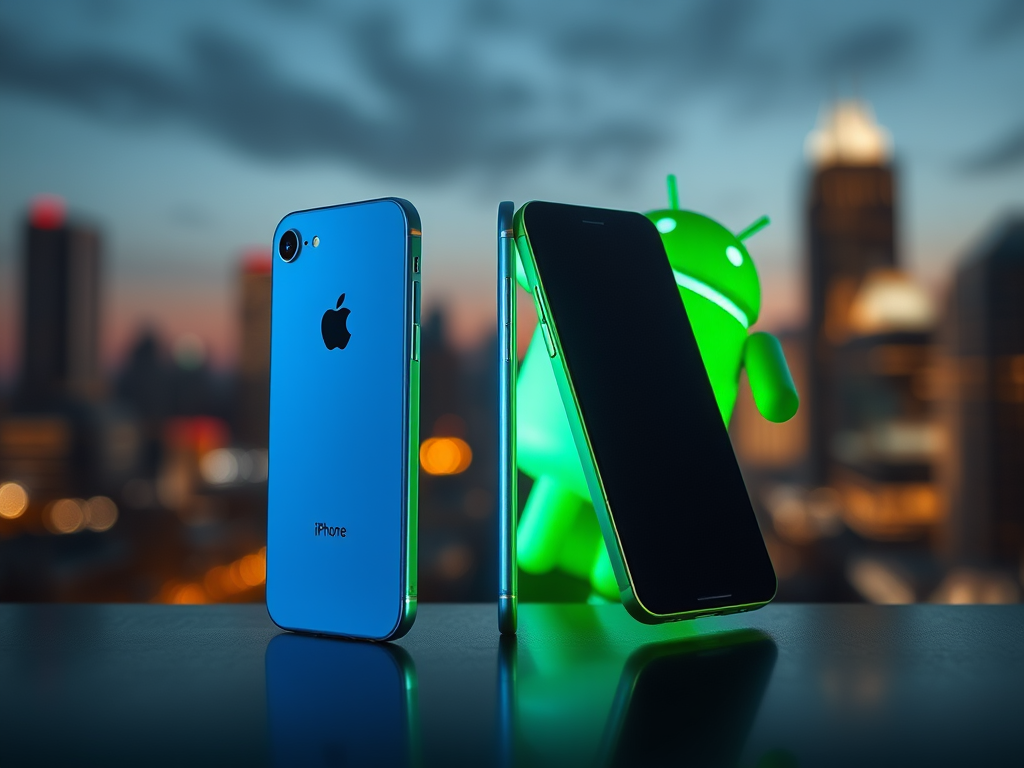
  • Blue Bubble, Green Bubble: Does It Really Matter?

    Blue Bubble, Green Bubble: Does It Really Matter?

    The iPhone vs. Android debate is a long and storied one, dating back to the era of the Blackberry’s reign and the iPod Touch’s transformation into a smartphone. A time when Google’s Nexus devices were just emerging and Android was a fresh-faced operating system, offering a world of mobile choices.

    So, Android or iPhone?

    In the early days, the iPhone held a significant advantage, particularly when viewed through the lens of accessibility. This wasn’t a matter of personal preference, but rather a practical reality. My own experience in September 2010 solidified this. While I was enamored with the newly released HTC Desire, a Telus representative demonstrated the stark difference in out-of-the-box accessibility between iPhones and Androids. At that time, the iPhone was simply more accessible. It’s important to note that this was my experience, and I later learned about software that could enhance Android accessibility. However, for this narrative, I’ll stick with my lived experience.

    Thanks to that Telus representative, I walked out with a shiny iPhone 3Gs. Its accessibility, right out of the box, made it a great device. For years, I remained loyal to the iPhone, upgrading from the 3Gs to the 4, 5, and eventually the 7+. Familiarity and reliable accessibility were key factors. Then came Android 4.4.4 KitKat and the stunning Samsung Galaxy S5.

    I took the plunge, with both excitement and trepidation! I traded the “safety” of iMessage and the familiar iPhone display for the green bubble world of Android. I fell in love. Android offered accessibility, customization, and expandable storage. This marked the beginning of my Android journey and my introduction to the Samsung ecosystem.

    Android: Strong, Free, and Mine

    Loving the freedom of the S5, I upgraded to the Samsung Galaxy Note 5. Sleek, slim, powerful, and boasting an amazing stylus (more of a fidget toy than a functional tool, but I loved it nonetheless). This device introduced me to mobile payments and a new level of accessibility thanks to Samsung’s custom screen reader, Voice Assistant, a perfect blend of TalkBack and VoiceOver.

    A Touch of Nostalgia

    Then, in 2016, nostalgia struck. The new Blackberry Priv promised the perfect combination of a physical keyboard and a touchscreen in a sleek, sliding design. I was hooked! The screen size, the tactile keyboard, the Android operating system – it was the best of all worlds! Until, disaster struck. A cracked screen revealed the Priv’s greatest vulnerability. The repair cost far exceeded the price of a new iPhone 7+.

    Back to the Blue Bubble

    I was forced to return to the iPhone. Frankly, the accessibility wasn’t significantly different from the iPhone 5 I’d left behind. I was a little disappointed. The device was slimmer and felt better in hand, but that was about it. The changes felt minimal. A few iMessage gimmicks aside, there wasn’t much to write home about. Or was there? Let’s delve into a bit of psychology.

    The Apple Addiction

    Around that time, talk of “phone addiction” was rampant. I’ll admit it: I believe there was something about the iPhone that had a hold on me. Whether it was marketing or the device itself, I can’t say. But it was constantly in my hand. I wanted to hold it. It went everywhere with me, even to the bathroom at home. I can’t explain it, but I genuinely believe I was addicted to that phone. This became clear when I returned to Android with the Galaxy Note 9. With the Note 9, I found myself able to put it down and forget about it. I didn’t feel the need to constantly hold it, and I didn’t feel like I was missing out when it was on my desk. Apple, what did you do to our brains? Was it the marketing? The device’s coating? I’ll never know.

    My Choice?

    Since the Note 9, I’ve cycled through many phones, all Android. The reason is interesting and has become clearer over time. Today, from an accessibility perspective, Android and iOS are essentially on par. Android excels in some areas, while the iPhone still has advantages in others, depending on the user’s specific needs. Personally, I find Android more accessible due to its greater freedom. The variety of devices, screen sizes, form factors, and customized operating systems (built on the base Android system) allows for unparalleled choice. This has enabled Android to become a dominant force in the world of accessibility.

    Dare I say it? iPhone and Android are… distant cousins?

  • Connecting People with the Resources They Need

    Connecting People with the Resources They Need

    I often see individuals struggling with addiction, homelessness, and various mental health challenges, and it’s disheartening to know they may lack the resources and support necessary to thrive. That’s why I’m so passionate about raising awareness of the United Way and their 211 system.

    What is 211?

    For those unfamiliar, 211 is a comprehensive directory of resources available to the public. It’s specifically designed to help people facing social crises, disabilities, and mental health or homelessness concerns. Sadly, many people are unaware of this program, its availability across much of North America, and the various ways to access it. You can call, text, or visit the local 211 website.

    Because 211 is such a vital resource, I’ve added a link to the United Way 211 system to my homepage. If you’re experiencing a social crisis, please don’t hesitate to reach out. The dedicated navigators at 211 are available around the clock to assist you and ensure your safety and well-being.

  • My Glasses: AI Eyeballs for a New Perspective

    My Glasses: AI Eyeballs for a New Perspective

    Imagine navigating the world without sight, yet yearning to understand its visual details. Or perhaps you are visually impaired or blind and seek greater access to your surroundings. We’re at a fascinating point in technology where camera-equipped glasses are becoming increasingly common, and the integration of AI takes them to a whole new level.

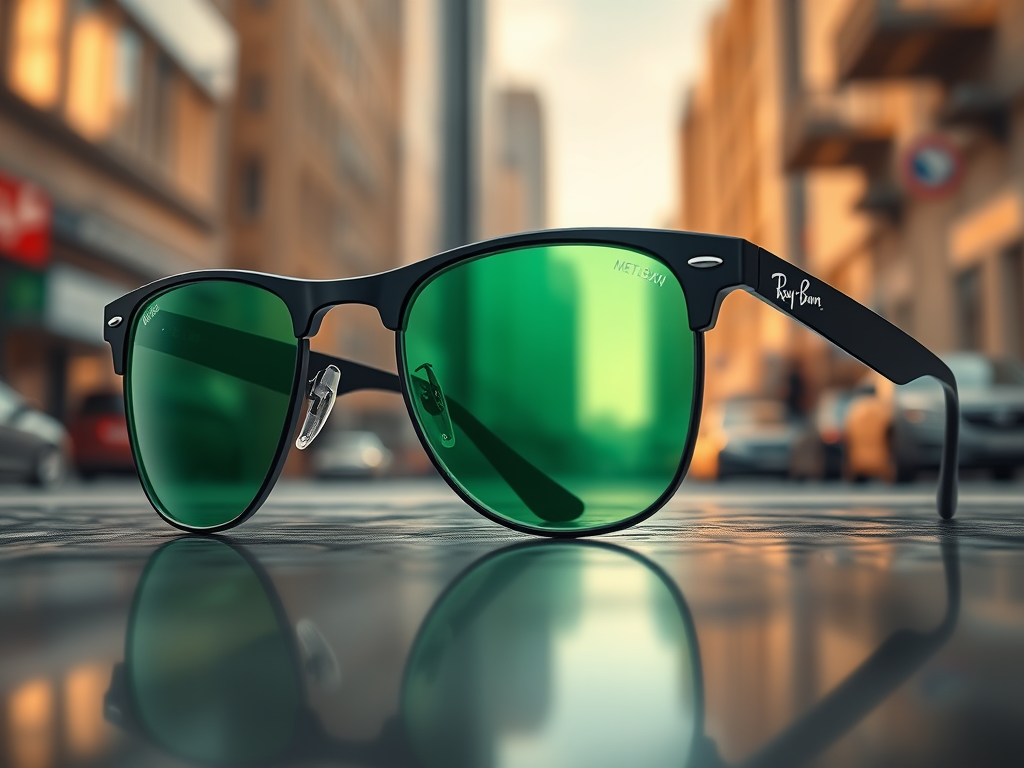
    Enter the Ray-Ban Meta.

    I recently acquired a pair of Ray-Ban Metas, and I’m thrilled with their sleek black frames, stylish transition green lenses, and the incredible capabilities of Meta AI. While they come in various frame colors and lens options, this particular combination resonated with me. At $459.99, they represent a significant investment, but I believe the freedom they provide is priceless.

    A Newfound Freedom

    These glasses have opened up a world of environmental awareness for me. From the trees lining the street to road signs and bus stop information, they allow me to explore and understand my surroundings independently. I no longer feel overwhelmed or reliant on visual interpreters, sighted friends, or family to describe what’s around me. Perhaps most exciting of all, I can now read restaurant menus accessibly and on my own.

    Unexpected Accessibility

    The Ray-Ban Metas weren’t originally designed with visually impaired individuals in mind. However, they’ve become a mainstream, affordable, and functional piece of assistive technology. While some may have concerns about Meta’s vision and values, the fact remains that this large corporation has created a system that works effectively and at a reasonable price point. For me, that’s a win.

    The Price of Independence

    I’m more than willing to pay $459.99 for the freedom, enhanced independence, and increased access to information that these glasses provide. For me, the value is immeasurable.

  • The Impact of the Support Staff Strike on Students with Disabilities

    This analysis focuses on the significant impact of the current support staff strike on students with disabilities, setting aside for the moment the ongoing negotiations between unions and school authorities, regarding support staff wages.

    Impact on Students with Moderate to Severe Disabilities

    Thousands of students are affected by this strike, many of whom are forced to attend school online without adequate support or are unable to attend school at all due to their reliance on educational assistants. This situation directly infringes upon their fundamental right to education, a right they may be too young to fully comprehend. Some students struggle to understand their absence from school and their separation from friends. Others are unable to participate in online learning due to parental work obligations, lack of technology, or their own physical or cognitive limitations. These students are being denied their education as a result of the ongoing dispute between the province and the school board regarding fair wages for support staff.

    Impact on Students Attending School

    Even students with disabilities who are still able to attend school face significant challenges. They often receive substantially less support than usual, relying on overburdened teachers and fellow students for assistance. Some students are struggling without access to essential assistive technologies, alternative format materials, and the necessary support to utilize them effectively. Consequently, these students are not receiving the appropriate education to which they are entitled.

    Impact on Parents

    The strike places immense pressure on parents. Those who must work are caught in a difficult situation, particularly as respite care options are limited and securing respite workers is extremely challenging. Many parents are forced to take leave from work, resulting in lost income. Furthermore, some parents are discovering that funding for disability supports is often restricted to outside of school hours, adding another layer of complexity to their situation.

    The Broader Consequences

    The current situation creates a cascade of negative effects. Parents face potential job insecurity, respite services are overwhelmed, educational assistants are absent from schools, and teachers struggle to meet the diverse needs of their students. The most vulnerable members of the school community—children and youth with disabilities—are disproportionately affected. They may not fully grasp that the strike centers on fair wages for their support staff, but they are the ones who experience the most significant losses.

    The Government’s Role

    The government’s response to this crisis is concerning. While families struggle with the daily realities of the strike, government officials do not appear to be adequately addressing the urgent needs of these students. There is a perceived lack of awareness regarding the profound impact this situation has on the mental health, physical well-being, educational progress, and fundamental right to education for these vulnerable children and youth. This strike effectively communicates to parents of children with disabilities, and the disability community as a whole, that their rights are not being prioritized. This sets a troubling precedent, one that the Alberta government appears to be solidifying.

  • Woof woof, hey fur-friends and humans! It’s Crew here, your favorite fluffy yellow guide dog!

    Woof woof, hey fur-friends and humans! It’s Crew here, your favorite fluffy yellow guide dog!

    Dad says he’s been yappin’ with people about why I sometimes gotta stay home when it’s really chilly. Like, bone-chilling, nose-freezing, -30C (that’s -22F for my awesome American pals!) cold. So, lemme give you the scoop from a dog’s-eye view.

    Boots? More Like BOO-ts!

    Okay, seriously, am I the only doggo who HATES boots? I gotta feel the ground beneath my paws! Is that too much to ask? Dad says when it’s this cold, my precious paw-pads need protection so they don’t turn into ice cubes. I do kinda like those balloon boots, ya know, the rubbery ones. They’re fun to chew on… I mean, walk in. But Dad says even with baby socks (which are surprisingly comfy), they’re not enough for the super-cold days. Rats!

    Crew’s Day Off (Kinda)

    So, if I can’t wear my super-duper-warm boots (which I don’t have ’cause I hate ’em), and it’s colder than a polar bear’s toenails, guess what? It’s Crew’s day off! Woo hoo! I get to chillax at home, snuggling with my kitty pals and my big sis (she’s the best!). It’s paw-some! But, and this is a BIG but, it’s also kinda boring. I miss all the action! Dad says he’s on something called a “strike” right now. I don’t get it. I just wanna go to the school and see my human friends! I miss my people! Plus, everyone’s all stressed out about stuff. So, I guess a day off helps my little yellow brain decompress.

    A Paw-some Lesson for My Furry Friends

    Listen up, pups! If your human says you gotta stay home, they’re probably just lookin’ out for your fluffy little self. Sometimes, if you’re lucky, they just wanna give you a break (which is the best!). But on cold days, it’s ’cause they love your little toe beans and don’t want ’em to freeze. And if you’re like me and you’re not a boot fan, make sure your human knows! They want your paws to be happy and warm!

    Okay, that’s all from me for now. Gotta go nap. Crew out! Woof!

  • The Hidden Burden of Guide Dog Users: Anxiety

    The Hidden Burden of Guide Dog Users: Anxiety

    While working with a guide dog has drastically improved my mobility and independence, there’s a significant downside that often goes unacknowledged: the constant anxiety surrounding transportation. This is a feeling shared by many guide and service dog users, and for some, it’s a major deterrent to even acquiring or retraining with a dog.

    The Source of the Anxiety

    Have you ever felt anxious booking a cab, rideshare, or even getting into a friend’s car? Many haven’t, but for those of us with guide dogs, this anxiety is a near-constant companion. While hailing a taxi can be somewhat less stressful, the dread associated with rideshares is often overwhelming.

    The root of this anxiety lies in the unfortunate reality that many rideshare drivers don’t believe they’re obligated to transport service or guide dogs and their handlers. They wrongly perceive it as their right to refuse us service. Despite numerous lawsuits against rideshare companies, this discriminatory practice persists, creating a significant barrier for those who rely on these services.

    The Illusion of Legal Protection

    While laws exist to protect our right to access public transportation with our guide dogs, the reality is often far from ideal. These laws, whether at the provincial, state, or national level, frequently lack effective enforcement. In my own jurisdiction, for example, three separate pieces of legislation are designed to protect guide and service dog users. However, two of these are practically unenforceable. Even when legal recourse exists, the process is often so complex and resource-intensive that many victims of discrimination don’t even attempt to pursue it. Police often lack the training or understanding to properly enforce these laws.

    The Bleak Reality

    The result is a disheartening situation. Guide and service dog users are left to constantly fight for their rights, often facing humiliation and feeling like a burden. We’re left stranded, feeling unsafe and apprehensive about what will happen next. This needs to change. People with disabilities shouldn’t be treated as second-class citizens by either our governments or the individuals providing essential public services. Why must we constantly defend rights that are already legally guaranteed? Why must we fight for the enforcement of laws that are already in place? The ignorance and unwillingness to uphold these laws are the real obstacles, and they create a significant and unnecessary burden for those who rely on guide and service dogs for their independence.