Let’s talk about the financial accessibility of rideshare services, specifically how cold weather and surge pricing can make them feel like a highway robbery. My partner and I recently experienced this firsthand, and it got me thinking about how these pricing models impact people, especially those on fixed or limited incomes. I want to explore two scenarios: cold weather and surge pricing, both of which present unique challenges.
Cold Weather: Frozen Out of Options (and Funds)
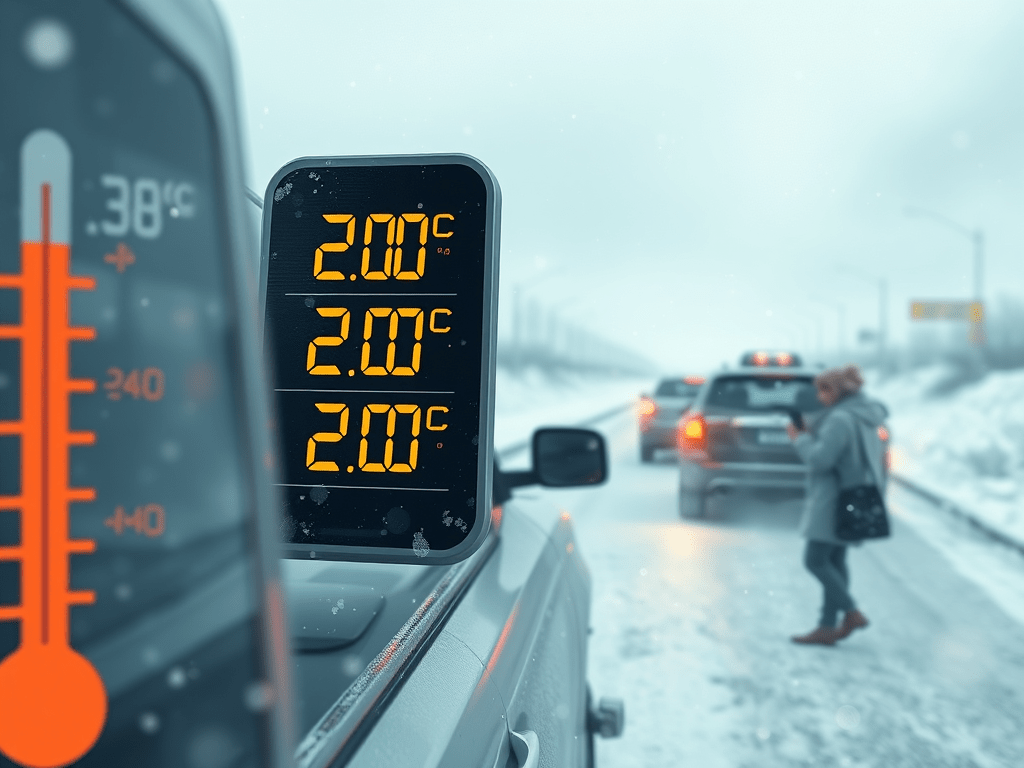
Picture this: You drag yourself out of bed, peek at the weather, and it’s -30°C before windchill – that’s roughly -40°C with it. Way too cold to walk, even if your destination is just a few blocks away. So, you check Lyft. Imagine the frustration when you see that a short trip for two people will cost around $25. That’s about $15 more than usual, and also about $15 more than pre-booking a ride with a traditional taxi service.
Let’s unpack this. Extreme cold isn’t just uncomfortable; it’s a safety hazard. Walking in those temperatures can lead to frostbite, hypothermia, and other serious health risks. For people without other transportation options, a rideshare becomes a necessity, not a luxury. But when prices skyrocket due to demand, those who need the service most might be priced out of it. This creates a difficult situation: risk your health by walking, or break the bank for a ride? It shouldn’t be an either/or situation.
Think about the implications for essential workers who start early or finish late, when public transit might be limited or nonexistent. Or consider elderly individuals or people with disabilities who may be particularly vulnerable to the cold. A sudden cold snap can turn a normally affordable commute into a significant financial burden. This raises the question: should rideshare services have a responsibility to provide accessible transportation during extreme weather events, or is it simply a matter of supply and demand? Perhaps a capped cold-weather surcharge, or partnerships with local organizations to subsidize rides for vulnerable populations, could be a solution.
Surge Pricing: The Mystery of the Multiplying Fare
Traditional taxi services sometimes have surcharges, but rideshare surge pricing seems to operate on a whole different level. Need a ride during rush hour, or to/from a busy area? Prepare to pay a premium. The problem is the lack of transparency. I’ve never been able to find a clear explanation of how surge pricing is calculated or when it’s activated. It feels arbitrary, and sometimes, even exploitative.
Let’s dive deeper into the complexities of surge pricing. While it’s often justified as a way to incentivize drivers to work during peak demand, the lack of predictability can be incredibly frustrating for riders. Imagine budgeting for a trip, only to find the price has doubled or tripled by the time you’re ready to book. This makes it difficult to plan and can lead to unexpected financial strain.
Furthermore, the algorithms that determine surge pricing can be opaque. Are they truly responding to real-time supply and demand, or are other factors at play? There have been concerns about algorithms potentially targeting specific demographics or areas, leading to price discrimination. Without more transparency, it’s hard to trust that surge pricing is always fair.
What if rideshare companies were required to provide clear and upfront information about surge pricing, including the factors that trigger it and how it’s calculated? Perhaps a cap on surge multipliers, or a system that allows riders to see how prices have fluctuated over time, could give them more control over their spending.
The Bigger Picture: Accessibility and Equity
Ultimately, the issue comes down to accessibility and equity. When fees, extra charges, and price hikes make a service unaffordable, it becomes less accessible to those who may need it most. When pricing models aren’t transparent, these extra charges can feel like a form of price gouging. This raises fundamental questions about who these services are for. If they become unaffordable when vulnerable people need them most, are they truly serving the community?
If affordable transportation options aren’t available, people may be left with no choice but to brave the elements, potentially putting their health at risk. Or they may be forced to forgo essential trips, impacting their ability to work, access healthcare, or participate in social activities. This can have far-reaching consequences, exacerbating existing inequalities.
So, do surge pricing and cold-weather surcharges have a place in the rideshare ecosystem? Perhaps, but they need to be implemented in a way that is fair, transparent, and doesn’t disproportionately burden vulnerable populations. We need a broader conversation about how to ensure that transportation services are truly accessible to everyone, regardless of income or circumstance.
 Unapologetically Blind